
Warehouse 8, Industrial Area 6, Sharjah, UAE

8am - 1pm, 4pm-8pm, Saturday - Thursday
Why Is My EV Range Decreasing Faster in Dubai Summer?

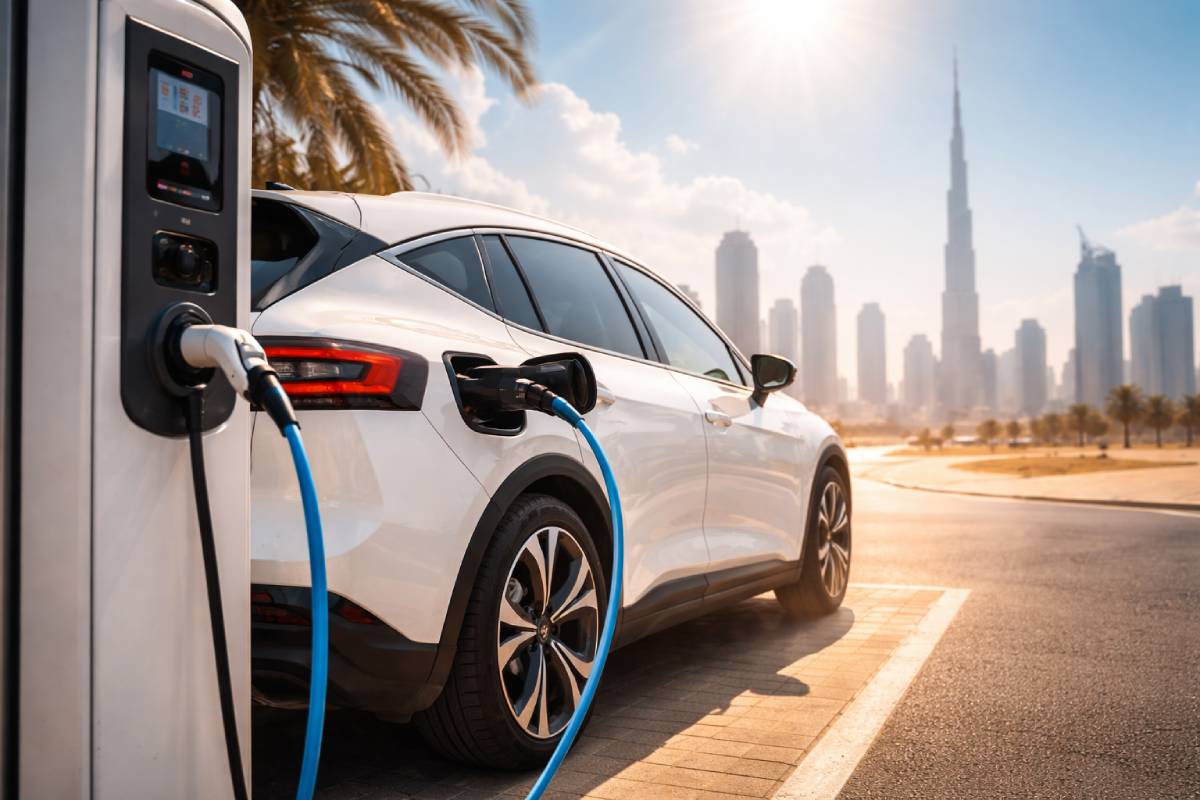
EV charging under Dubai's midday sun

If you’ve noticed your electric vehicle’s range dropping quicker during Dubai’s summer months, you’re not alone. EV drivers in the UAE often experience reduced range when the mercury soars. Blistering heat, heavy air-conditioning use, and unique desert conditions can all impact how far your EV can go on a charge. In this post, we’ll explore why extreme heat affects EV batteries, why Dubai’s summer is especially challenging, and what you can do to maximize your EV’s range during the hottest months. We’ll also explain when it might be time to get a professional electrical diagnostic or electrical service for your EV.

How Extreme Heat Reduces EV Range

Dubai summers routinely see temperatures above 40°C (even up to 50°C), which can put strain on any vehicle – especially on the battery of an electric car. High heat impacts an EV in a few key ways:

  • Battery Chemistry in High Heat: Lithium-ion batteries work best around 15–35°C. Outside this range, especially in extreme heat, the battery’s efficiency drops and it can’t hold energy as effectively. The chemical reactions inside speed up at high temperatures, which can temporarily reduce the battery’s capacity and even accelerate long-term degradation. In other words, the battery can’t deliver its full usual power in the heat, so your car estimates a shorter driving range. Modern EVs have Battery Management Systems (BMS) and cooling systems to protect the battery, but during a UAE summer these systems are under constant strain. Some energy that would normally move the car is instead used to keep the battery cool, slightly reducing the range. Studies show that when ambient temperatures rise above ~35°C, an EV’s driving range can drop by about 15% (and up to ~20% in extreme cases) due to the extra energy used for cooling.
  • Air Conditioning and Cabin Cooling: In Dubai’s summer, blasting the AC isn’t a luxury – it’s a necessity. But the air conditioner draws power from your battery. The harder it works to cool a 45°C cabin down to a comfortable 22°C, the more energy it consumes. On very hot days, cabin cooling can account for a significant chunk of your energy use, directly eating into the driving range. Essentially, some of the kilometers of range on the dash are “spent” on keeping you cool instead of propelling the car forward. EVs are designed to balance this (many will cool the battery and cabin together efficiently), but heavy AC use in summer traffic will still shave off range. It’s not uncommon to see 5–15% less range on a sweltering August day compared to a mild winter day, simply due to AC and thermal management needs.
  • Regenerative Braking Limitations: One advantage of EVs is regenerative braking – recapturing energy when you slow down. However, extremely hot conditions can limit regenerative braking efficiency. If the battery is already very hot (or near fully charged), the BMS may restrict how much regen power can go into the battery to avoid overheating it. This means you might not recover as much energy from braking as usual, which can subtly reduce your overall range. In stop-and-go Dubai traffic, you normally gain some range back from regen, but on scorching days the system might say “regen limited” until the battery cools or charge level drops. While this effect is smaller than the AC or chemistry factors above, it’s another reason you could see fewer km per charge in summer. Essentially, the car sometimes has to forgo energy recovery to protect the battery in extreme heat.

Why Dubai’s Summer Is Tough on EVs

Dubai offers a perfect storm of conditions that challenge electric vehicles in summer. First, the sheer extreme heat is beyond what many regions experience – parked cars can reach interior temps of 60–70°C under the desert sun, and even the shaded battery compartment will heat-soak. This heat stress can cause the car to aggressively manage temperatures (using battery cooling pumps, fans, etc.), which uses energy.

Second, desert sand and dust are constant companions in the UAE. Fine dust can infiltrate cooling ducts, air filters, and battery cooling fins. If not cleaned, this reduces cooling efficiency, making the thermal management work harder. High humidity on coastal days (yes, Dubai gets humid too) can also make cooling systems work overtime since humid air carries heat differently.

Finally, driving patterns in Dubai add to the challenge. In city traffic, you have low-speed jams where the AC might be on max while the car isn’t moving much. The battery has to run the AC without much airflow, which is taxing. On highways, you might drive long distances at 120 km/h – at those speeds in 45°C weather, the battery and motors are generating a lot of heat. The car’s systems will actively limit power or range if temperatures get too high (you might have seen a “power limited” or battery overheat warning if things get critical). All these factors mean Dubai’s summer can magnify any weaknesses in an EV’s cooling or battery management. The good news is that most EV models sold in the UAE are tested for such conditions and include robust cooling systems. But as an owner, you still need to adapt your habits to the climate.

Tips to Improve Your EV’s Summer Range

Even in peak summer, a few smart habits can help you preserve range and battery health. Here are some tips for driving electric in Dubai’s hottest months:

  • Park in Shade or Use Sun Protection: Whenever possible, park under cover, in a garage, or at least under a shade or tree. Keeping your EV out of direct sun prevents that massive heat buildup. If shade is scarce, consider using a reflective windshield sunshade or even a light car cover. A cooler battery (and cabin) at startup means less energy spent cooling down.
  • Charge During Cooler Hours: Plan your charging for nighttime or early morning when the air is cooler. Not only is your battery happier charging at 30°C instead of 45°C, but also the charging process generates heat. Charging in cooler ambient temperatures helps avoid extra thermal stress. Many EVs let you schedule charging to finish by morning. If you do need to fast-charge during the day, don’t be surprised if the car automatically slows the charging rate to protect the battery – it’s normal in extreme heat.
  • Use the AC Wisely (Pre-cool & Moderate Settings): It’s okay to use the AC – staying comfortable is important and helps you drive safely. But use features to optimize its efficiency. For example, if your EV has a pre-conditioning feature, use it while the car is still plugged in. This allows the grid electricity to cool the cabin and battery before you drive. Once on the road, set a reasonable temperature (say 22–24°C rather than 18°C “full blast”). Using seat ventilation or fans can help you feel cooler without dialing the air to max cold. These habits reduce the AC’s power draw and give back a few kilometers of range.
  • Keep Your Software Updated: Make sure you install the latest software updates for your EV. Manufacturers often release tweaks that improve battery thermal management or overall efficiency – particularly if they’ve gathered data from hot climates. An update might adjust when the cooling pump kicks in or how the battery handles regenerative braking in heat. These improvements can subtly extend your range or prevent performance issues in summer. As one EV expert put it, skipping software updates is like ignoring oil changes on a petrol car – they’re that important for keeping your EV running optimally.
  • General Maintenance Checks: Don’t overlook basics that apply year-round but are crucial in heat. Ensure your tyre pressure is correct (under-inflated tyres increase drag and hurt range, and they’re more likely in hot weather). Make sure your battery cooling system (coolant levels, pumps, fans) is maintained – most EVs use liquid coolant that should be checked or changed as per the manufacturer’s schedule. A well-maintained cooling system means your battery can keep its cool more effectively. Also, keep the cabin air filter clean (it can get clogged with dust, impeding AC efficiency). Little things like this help your EV cope with summer better.
  • Plan for Some Range Loss: Finally, just plan around the fact that you might get a bit less range in July than you do in January. If your car normally goes 400 km on a charge, maybe assume ~340–380 km in extreme heat with AC. Give yourself a buffer on longer trips. For example, if driving from Dubai to Abu Dhabi at noon, don’t stretch the battery to its last kilometer – leave with extra charge or plan a short charging stop, so you’re not stranded if the AC uses more energy than expected. Keeping the battery above ~20% also ensures the BMS has enough headroom to run cooling as needed.

By following these tips, many UAE EV owners find their cars remain perfectly usable and enjoyable all summer. It’s all about helping the car help itself with cooling and not wasting energy.

When to Seek a Professional EV Diagnostic

It’s normal for range to drop a bit in summer, but excessive or sudden range loss might indicate a deeper issue. Modern EVs will alert you with warning lights or messages if something is off – for instance, you might see a battery temperature warning, a notice of “power limited,” or simply a significant drop in the state-of-health of the battery. If you’re consistently getting much lower range than before, or if your EV flags any battery or charging system warning, it’s wise to have a professional take a look.

At this point, consider booking an Electrical Diagnostic with a trusted service center like Swedish Experts. During an EV diagnostic, technicians will scan your car’s systems and check for any fault codes or issues in the high-voltage battery, cooling circuits, inverter, and more. This thorough check can pinpoint if there’s an underlying fault – for example, a weak battery module, a cooling pump not working, or a software glitch causing the range drop. It’s always better to catch these issues early. Many times, a range loss accompanied by warnings could be the car “derating” or protecting itself due to a problem (like a failing sensor or low coolant). Swedish Experts’ EV specialists are trained to find the real cause and fix it safely.

If a problem is found, a follow-up Electrical Service can address it – whether it’s repairing a battery cooling component, reprogramming a battery management system, or replacing a defective part. Swedish Experts can handle common EV range and performance issues, especially those related to Dubai’s climate, by checking battery health, updating software, and ensuring the cooling system is functioning properly. After all, range and performance depend on a healthy battery and effective cooling in our conditions.

Don’t let the Dubai heat leave you worrying about whether you’ll make it to your destination. By understanding why your EV’s range decreases faster in summer and following these best practices, you can drive with confidence even on the hottest days. And remember, if you ever feel your range drop is beyond normal or you see persistent battery warnings, Swedish Experts is here to help. Book an electrical diagnostic or service appointment with our team – we’ll make sure your EV is running at its best, so you can enjoy smooth, worry-free electric driving year-round. Stay cool and happy driving!